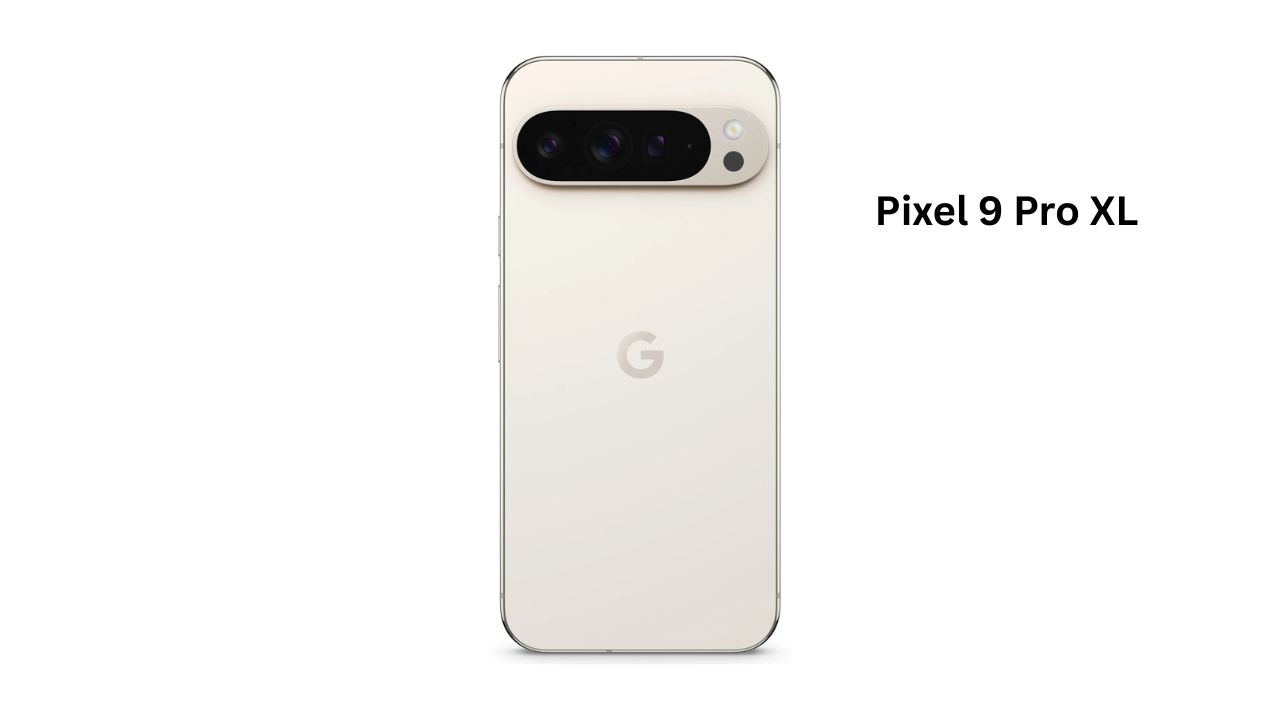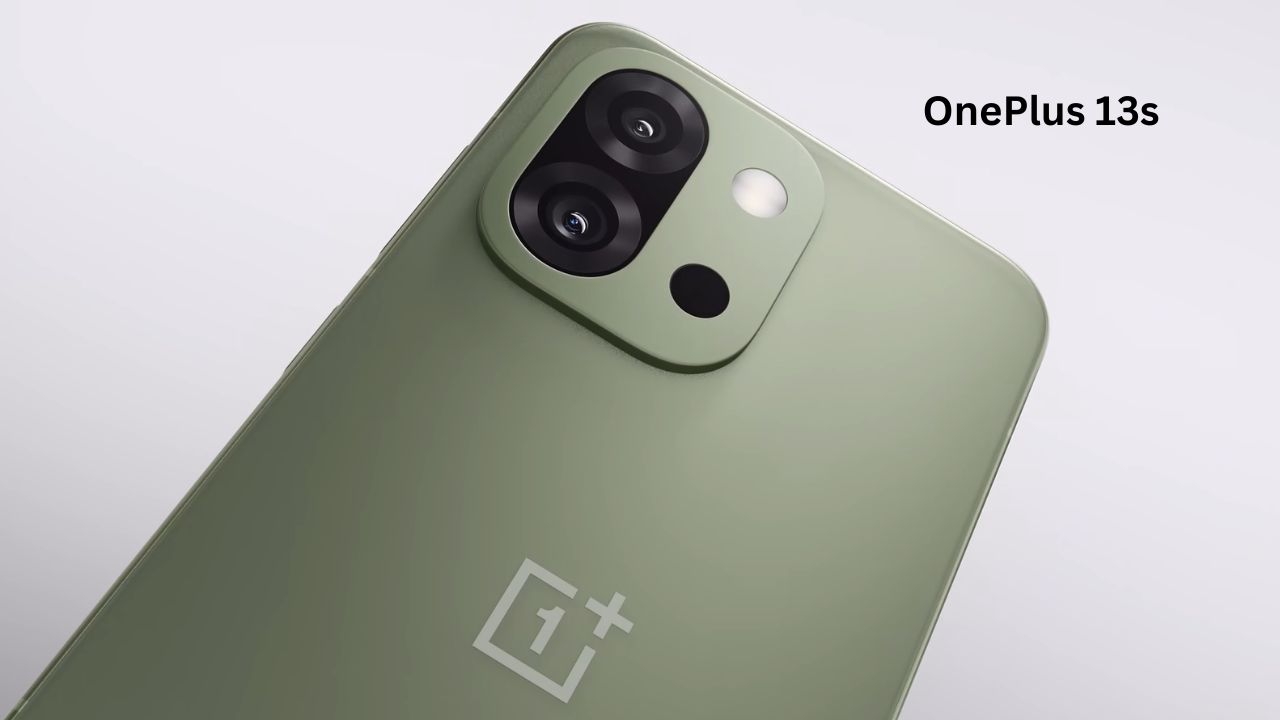
The compact phone market has been fairly quiet lately, but the OnePlus 13s is trying to change that. It is rare to see a brand pack its most powerful processor into a device that actually fits comfortably in one hand. Usually, “small” means “compromise,” but this phone tries to keep the flagship DNA intact.
Technical Specifications at a Glance
| Category | Technical Specifications |
| Display | 6.32-inch 1.5K ProXDR LTPO AMOLED; 2640 x 1216 (460 PPI); 120Hz dynamic refresh; 1600 nits Peak / 800 nits HBM; Crystal Shield Glass |
| Processor | Qualcomm Snapdragon 8 Elite (3nm); Adreno 830 GPU |
| Cooling | Vapor Chamber cooling system |
| Memory | 12GB LPDDR5X RAM |
| Storage | 256GB / 512GB UFS 4.0 (Non-expandable) |
| Main Camera | 50MP Sony LYT-700 (1/1.56″, f/1.8); OIS; 24mm equivalent; 4K@60fps |
| Telephoto | 50MP Samsung S5KJN5 (1/2.76″, f/2.0); 2x Optical Zoom; 20x Digital; No OIS |
| Selfie Camera | 32MP Sony IMX615 (f/2.0); Auto-Focus; 4K@30fps video |
| Battery | 5850mAh Silicon-Carbon (Single-cell) |
| Charging | 80W SuperVOOC wired; Bypass charging supported; No Wireless Charging |
| Build | Aluminum alloy frame; Glass back; 150.8 x 71.7 x 8.2 mm; 185g |
| Durability | IP65 Dust and Water Resistance (Splash proof) |
| Buttons | Customizable Plus Key (replaces Alert Slider) |
| Connectivity | Wi-Fi 7; Bluetooth 6.0; NFC; IR Blaster; Dual Nano-SIM; USB-C 2.0 |
| Audio | Dual Stereo Speakers; No 3.5mm jack |
| Software | OxygenOS 15 (Android 15); 4 years OS / 6 years Security updates |
The first thing you notice about the OnePlus 13s is the size. It uses a 6.32-inch screen, which sounds large on paper, but because the borders (bezels) are so thin, the phone feels tiny compared to the “Pro” or “Ultra” phones we usually see. It weighs about 185 grams, which is light enough that you won’t feel a strain on your pinky finger during long scrolling sessions.
OnePlus used a “Velvet Glass” finish on the back. It feels smooth and soft, almost like fabric, which is a nice change from the slippery, fingerprint-magnet glass we often get. However, keep in mind that the IP65 rating means it can handle a splash or some rain, but it isn’t fully waterproof. You shouldn’t take it for a swim.
The display itself is a 1.5K AMOLED panel. In real life, this means everything looks crisp. Whether you are reading a long email or watching a movie, the colors are punchy without looking fake. Since it’s an LTPO screen, it can drop its refresh rate to 1Hz when you’re just looking at a photo, which saves a lot of battery.
How to use these features:
-
Aqua Touch 2.0: If you’re caught in the rain or have sweaty hands after a workout, the screen still recognizes your taps accurately. You don’t have to keep wiping it dry just to send a text.
-
Plus Key: This is a new physical button that replaces the old alert slider. You can customize it. I suggest setting it to open the camera with a double-press or to toggle your flashlight. It’s much faster than unlocking the phone.
Performance
Under the hood, the OnePlus 13s runs on the Snapdragon 8 Elite. This is the same chip found in much larger, more expensive flagships.
In my experience, “performance” isn’t just about high benchmark scores. It’s about how the phone feels at 2:00 PM when you have 20 apps open, Google Maps running in the background, and you’re trying to take a quick photo. The OnePlus 13s doesn’t stutter in these moments.
Gaming is also surprisingly good for a compact phone. Usually, small phones get very hot because there isn’t much room for heat to escape. OnePlus added a large vapor chamber (cooling system) that does a decent job. If you play heavy games like Genshin Impact, the phone will get warm, but it doesn’t get so hot that it starts lagging.
The Cameras: A Different Approach
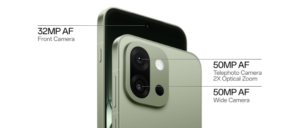
Main Camera: Sony LYT-700 (50MP)
The main sensor isn’t the biggest on the market, but it’s very fast.
-
The Look: In daylight, the “Hasselblad” tuning keeps colors realistic rather than over-saturated. Skin tones look natural, not orange.
-
Low Light: The Optical Image Stabilization (OIS) helps keep shots sharp when the sun goes down, though it’s not quite a “night vision” camera.
-
Real Use: It’s great for “point-and-shoot” moments like kids playing or pets moving, where you need a fast shutter.
Telephoto Lens: Samsung JN5 (50MP)
Instead of a cheap 8MP zoom, you get a full 50MP sensor here.
-
The Zoom: At 2x optical zoom, it’s designed specifically for portraits. It creates a natural blur (bokeh) behind people without looking like a fake filter.
-
The Details: Because the resolution is high, you can crop into a 2x photo and it still looks like a 4x or 5x shot.
-
Limitation: It lacks OIS, so you’ll need a steady hand if you’re zooming in all the way to 10x or 20x digitally.
Selfie Camera: Sony IMX615 (32MP)
This is actually the “hidden gem” of the phone.
-
Auto-Focus: Most phones (even expensive ones) have a fixed focus for selfies. If you hold the phone too close, you’re blurry. The OnePlus 13s adjusts instantly, making it much better for vlogging or detailed selfies.
-
Video: It supports 4K recording, which is a big jump for OnePlus in this price bracket.
My Short Take
The lack of an ultrawide lens is a bold move. If you frequently take photos of vast landscapes or tight indoor spaces, this might feel restrictive. However, the two sensors you do get are high-quality. You aren’t paying for a “third lens” that takes grainy 8MP photos. It’s a “quality over quantity” approach that works well for people who mostly take portraits and everyday shots.
Battery and Charging: The “Small Phone” Savior
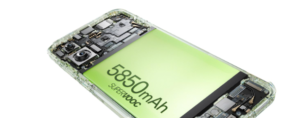
Small phones usually have small batteries, but the OnePlus 13s uses a 5,850mAh battery. For a phone this size, that is massive. In a normal day of browsing, some YouTube, and lots of messaging, I comfortably got through a full day with about 20% left at bedtime.
The 80W charging is the real star. It can get you from zero to 50% in about 20 minutes. If you forget to charge your phone at night, you can just plug it in while you get ready for work in the morning, and you’ll have enough juice for most of the day.
There is no wireless charging. You have to use the cable. For some, this is a dealbreaker, but for me, the fast wired charging makes up for it.
Comparison with Competitors
| Feature | OnePlus 13s | Samsung Galaxy S26 | iPhone 17 (Standard) |
| Screen Size | 6.32-inch | 6.3-inch | 6.1-inch |
| Battery | 5,850mAh | ~4,300mAh | ~3,500mAh |
| Charging | 80W (Fast) | 25W (Slow) | ~27W (Slow) |
| Cameras | 50MP + 50MP | 50MP + 12MP + 10MP | 48MP + 12MP |
| Special | Plus Key | Galaxy AI | Action Button |
The OnePlus 13s easily beats the Samsung and iPhone when it comes to battery life and charging speed. However, the Samsung S26 feels more premium in the hand and has a much better Ultrawide camera. The iPhone 17 wins on video quality and ecosystem, but the slow charging feels very outdated compared to OnePlus.
Pros and Cons
Pros
-
Perfect Size: It is one of the few phones that is actually comfortable to use with one hand.
-
Top-Tier Speed: The Snapdragon 8 Elite makes everything feel instant.
-
Huge Battery: You don’t usually see a battery this big in a phone this small.
-
Clean Software: OxygenOS 15 is smooth and doesn’t come with a lot of annoying “bloatware” apps.
Cons
-
No Ultrawide Lens: You can’t take those wide “zoomed out” photos.
-
No Wireless Charging: You are forced to use a cable every time.
-
Not Fully Waterproof: IP65 is okay for rain, but don’t drop it in a pool.
-
USB 2.0: Moving large files to a computer via cable is slower than it should be.
Who Should Buy / Not Buy
Buy this if…
-
You are tired of huge phones that stretch your pockets.
-
You want a phone that charges extremely fast.
-
You play heavy games and want a compact device that can handle them.
-
You take a lot of selfies and want them to be sharp.
Do NOT buy this if…
-
You love taking landscape or architecture photos (you’ll miss the ultrawide).
-
You use a wireless charging pad on your desk or in your car.
-
You work near water or pools where a full IP68 rating is necessary.
Final Verdict
The OnePlus 13s is a specialized tool. It isn’t trying to be the “everything” phone. It’s for the person who wants the fastest processor and the best battery life in the smallest possible package.
If you can live without an ultrawide camera and wireless charging, this is probably the best compact Android phone on the market right now. It feels like a “utility” flagship—it’s built to work hard and stay out of your way.
check this
OnePlus 15R: Full specs, Battery, Camera, Processor, Good Performance